
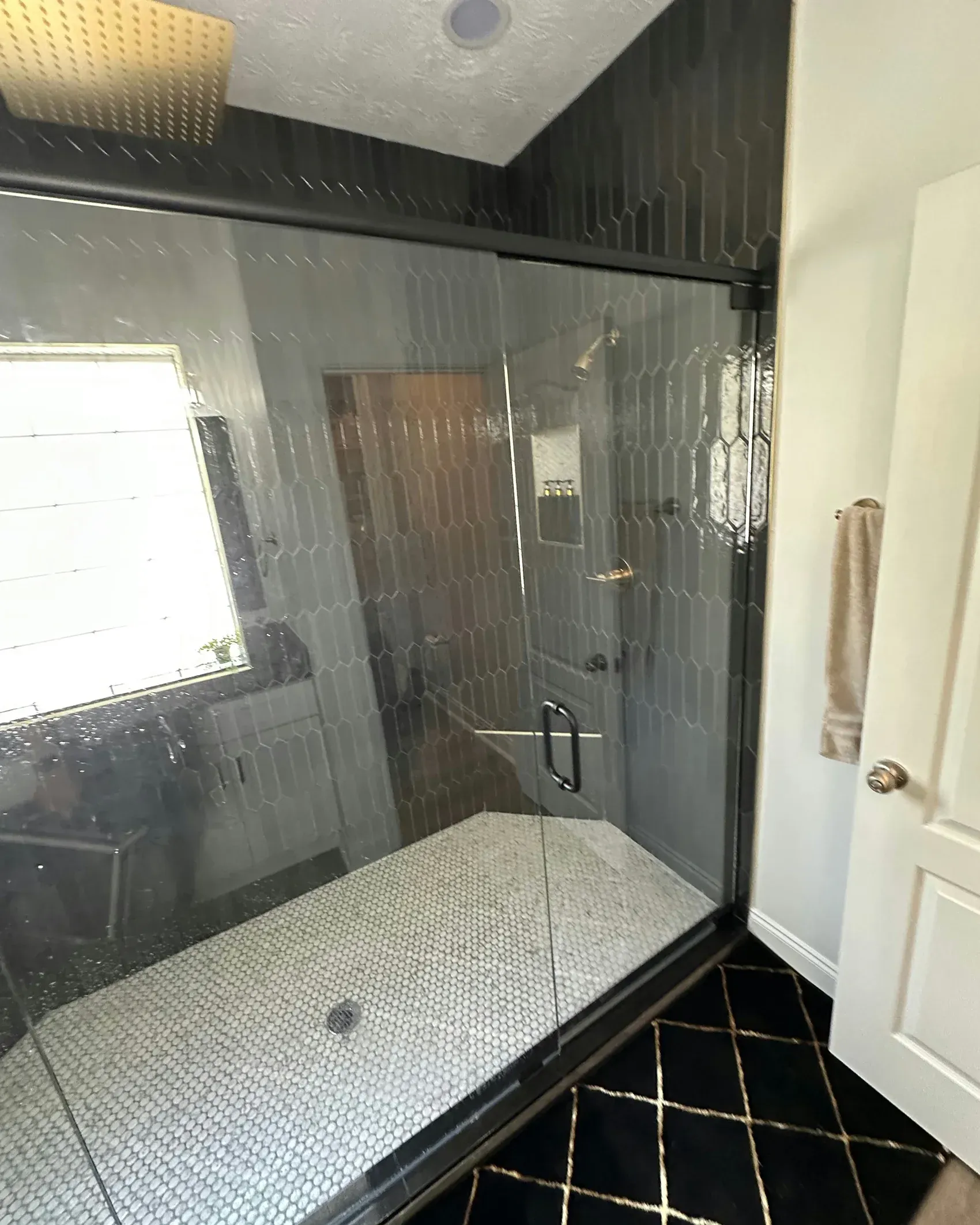
Surfaces That Resist Mildew Without Constant Scrubbing
Acrylic Bath Systems in Montgomery for bathrooms where grout lines trap moisture and tile surfaces require excessive maintenance
Grout lines between tiles absorb water and soap residue, creating conditions where mildew thrives despite regular cleaning. Homeowners in Montgomery deal with high humidity that accelerates mildew growth, making tile maintenance a recurring burden. Acrylic bath and shower systems eliminate grout lines entirely by using large molded panels that cover walls without seams. The non-porous surface prevents water absorption, which stops mildew from establishing in the first place. Bath Doctor of Alabama installs acrylic systems as a low-maintenance alternative to tile in tubs and showers.
Acrylic systems consist of reinforced panels that are custom-measured to fit over existing walls or installed during full remodels. The panels interlock at seams that are sealed with waterproof adhesive, and corners are formed from single pieces rather than joined sections. This construction reduces the number of gaps where water can penetrate and eliminates the porous grout that requires scrubbing and resealing.
Request a consultation to review acrylic panel styles and discuss replacement timelines for your existing bathroom.
The Difference Between Acrylic and Traditional Tile
Acrylic installation involves removing old tile or cutting panels to fit directly over existing smooth walls if the substrate is sound. The panels are bonded with construction adhesive and mechanically fastened at studs, then edges are trimmed to fit around fixtures and plumbing penetrations. Acrylic resists impact better than ceramic tile because it flexes slightly rather than cracking, and the surface remains warm to the touch unlike cold porcelain.
After installation, cleaning requires only a damp cloth and mild detergent because soap film wipes away without scrubbing. Mildew doesn't establish on the smooth surface the way it does in grout lines, and stains from hard water or rust rinse off without harsh chemicals. The panels maintain their color over time because the pigment is embedded throughout the material rather than applied as a surface coating that can wear away.
Acrylic systems install faster than tile because there's no mortar drying time, no grout curing, and no multi-day waiting period between steps. Most acrylic tub or shower surrounds are completed in one to two days, compared to a week or more for tile work. This shorter timeline reduces disruption and allows the bathroom to return to use sooner.
Common Questions About This Service
Homeowners considering acrylic systems often ask about durability, design options, and how the material compares to tile long-term.
What makes acrylic more resistant to mildew than tile?
Acrylic is non-porous, so water and soap can't soak into the surface. Mildew needs moisture and organic material to grow, and it finds both in the porous cement-based grout between tiles. Without grout lines, there's nowhere for mildew to establish.
How does acrylic hold up to daily wear compared to ceramic?
Acrylic resists chipping and cracking better because it has some flexibility, while ceramic tile is brittle and fractures under impact. The surface can develop minor scratches over time, but these don't compromise water resistance and are less visible than cracked tiles.
When should acrylic be chosen over tile for a remodel?
Acrylic works well for homeowners who prioritize low maintenance over design customization. Tile offers more color and pattern options, but acrylic reduces cleaning effort and eliminates the need for grout resealing every few years.
What design styles are available in acrylic systems?
Acrylic panels come in solid colors, stone-look patterns, and tile-pattern finishes that mimic the appearance of traditional tile without grout lines. Built-in shelves and soap niches are molded directly into panels, which avoids the leak-prone corners created by tile-mounted accessories.
How long does acrylic last before needing replacement?
Acrylic systems typically last 20 to 30 years with normal use. The material doesn't degrade from moisture exposure, and the finish remains intact as long as abrasive cleaners are avoided. This lifespan matches or exceeds tile installations, especially when grout deterioration is factored in.
Bath Doctor of Alabama installs acrylic bath and shower systems with attention to proper sealing and structural backing. Reach out to arrange an estimate and explore panel options suited to your bathroom design.